Higginson said the cost of providing commercial operators with “exclusive access” to these spaces would limit the availability of cost-friendly holidays for families.
“This is not the business model you pursue, privatising sections of the park and providing exclusive use to licence holders who can determine who can be there.”
The rollout of the supported camping scheme is limited to about 6 per cent of the state’s 365 campgrounds. NSW logged about 1.8 million overnight national park campground stays in 2023-24.
A spokesman for Environment Minister Penny Sharpe did not directly respond to questions, instead referring to comments made by the minister in parliament on Wednesday.
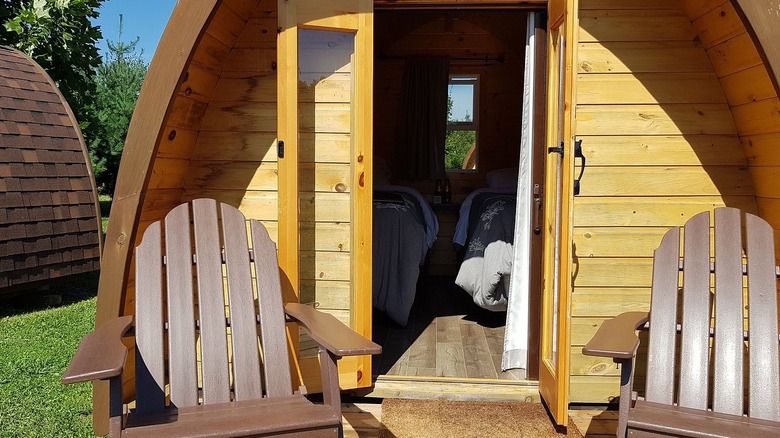
Sharpe told parliament during question time that the government was “in favour of supported camping”, and that the move was partially to improve accessibility for people who could not buy or carry “all the gear” and partly about “generating revenue”.
“We want as many people as possible to enjoy our national parks. We want to find people who will do that in a different way that does not depend on their being a super-fit bushwalker,” she said.
Loading
The expression of interest released by NSW National Parks provided justification for the move to allow commercial operators. It included research that found “62 per cent of adults are already campers or are open to trying camping”.
“Notably, around 10 per cent have never camped before but are keen to try,” it stated.
“They are drawn to travel and nature but lack the necessary equipment or experience. By offering a service that provides fully set-up camping gear, we can make camping more accessible, encourage more people to explore the outdoors, and help them gain confidence.”
Opposition environment spokesman James Griffin noted Labor’s criticism of the former government’s plan to “steal the crown of multi-day walks in national parks from Tasmania” by establishing 13 multi-day walking trails.
“Ironically, Labor and the National Parks Association saw these walks and camping sites as privatisation by stealth,” he said.
Loading
“Hopefully this contract will be value for money for the taxpayer, and be appropriately managed to ensure campaign sites remain in reach of families with budgets to think about.”
Under the proposal, successful businesses would receive a licence of up to six years. In exchange, they would pay an annual, upfront fee of either $830 or $1245, depending on the location’s desirability, along with 5 or 10 per cent of the gross income earned from the licensed activity, according to the EOI.
from:www.smh.com.au
published 2025-10-26 09:30:00